Synchronizing Loyalty Systems with Live Odds Feeds on Mobile Wagering Platforms
Vera Flores · Aug 16, 2026
Synchronizing Loyalty Systems with Live Odds Feeds on Mobile Wagering Platforms
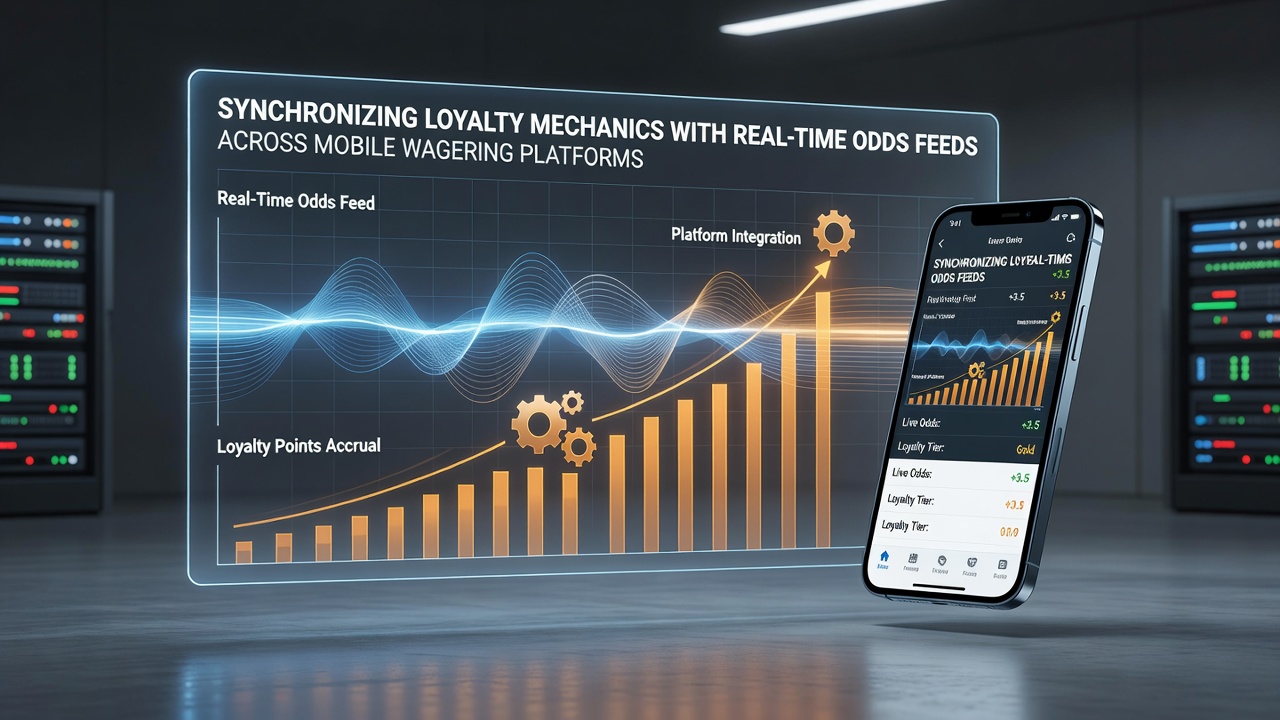
Platforms across mobile wagering integrate loyalty mechanics directly with real-time odds feeds to adjust player rewards as betting markets shift, and this process relies on application programming interfaces that pull live data from sportsbooks while updating user accounts in the background. Developers build these connections through event-driven architectures where odds changes trigger calculations for bonus multipliers or tier progression points, allowing systems to respond within milliseconds of market movements.
Core Technical Integration Methods
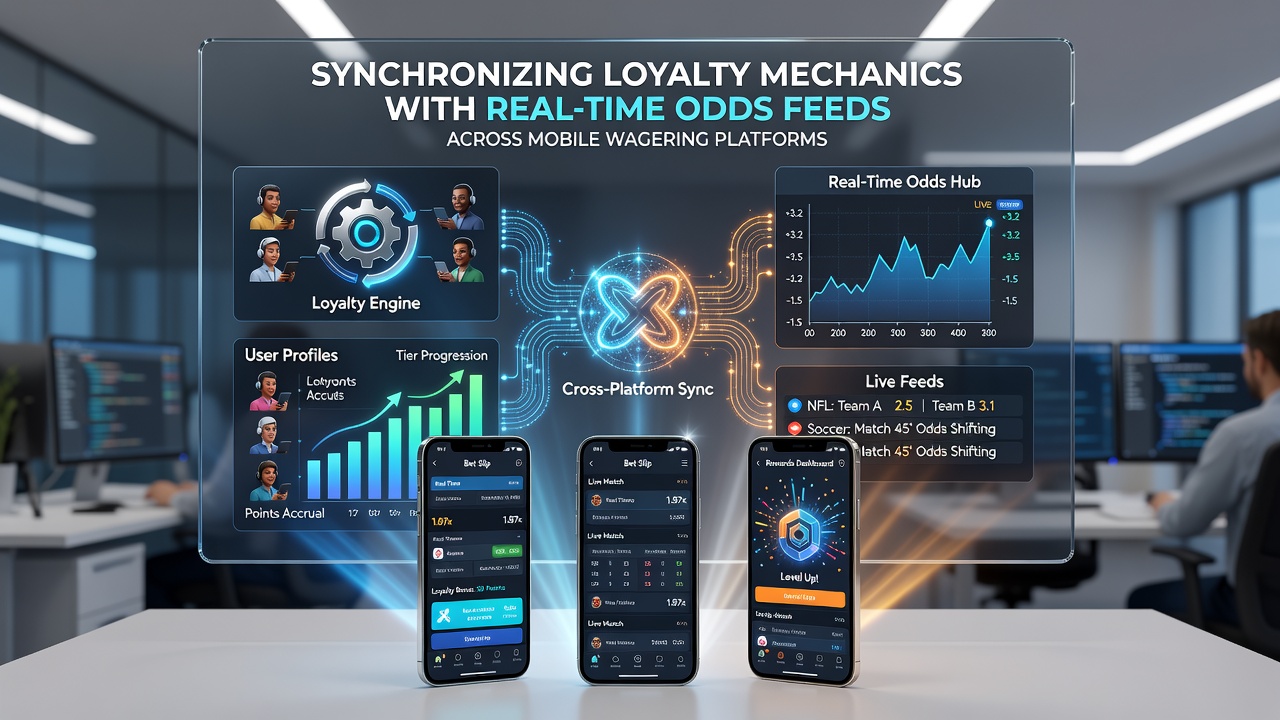
Engineers connect loyalty databases to odds providers using standardized data streams that include variables such as current probabilities, market liquidity, and event timing, and these streams feed into rule engines that apply loyalty formulas automatically. For instance one system might award extra points when odds on a selected outcome move beyond a predefined threshold, while another adjusts cashback percentages based on volatility detected in the feed. Mobile applications maintain local caches of these rules to minimize latency during live sessions, and background synchronization ensures the central server receives confirmation once calculations complete.
Data indicates that such synchronization improves retention metrics because players see immediate value when their rewards reflect the same dynamic conditions driving the odds. Observers note that companies achieve this through microservices where a loyalty service subscribes to an odds topic in a message queue, processes incoming updates, and pushes notifications to user devices without interrupting the main betting workflow.
Implementation Across Different Markets
In regions outside the United Kingdom, operators in North America and Australia have adopted similar frameworks, with Nevada's regulatory environment requiring documented audit trails for any automated reward adjustments tied to live data. American Gaming Association reports show that integrated systems handle millions of daily transactions while maintaining compliance with responsible gaming limits. Canadian provinces such as Ontario apply comparable standards through iGaming frameworks that demand transparent logic in how loyalty points scale with odds fluctuations.
Researchers at institutions studying digital entertainment have examined these setups and found that combining the two data sources reduces discrepancies between advertised promotions and actual payouts. The approach uses timestamped events to verify that a reward calculation uses the exact odds snapshot presented to the player at the moment of bet placement, and this verification step helps platforms meet transparency requirements from multiple oversight bodies.
Operational Challenges and Solutions
High-volume events create spikes in data traffic that test both the odds feed stability and the loyalty engine capacity, yet successful deployments employ load balancing and fallback mechanisms to reroute calculations when primary connections slow. Teams monitor latency metrics closely because delays beyond a few hundred milliseconds can cause reward displays to lag behind the odds shown on screen, leading to player confusion. Solutions include edge computing nodes that perform preliminary loyalty scoring closer to the user device before final reconciliation with central servers.
August 2026 updates to several major platforms introduced enhanced encryption layers around these synchronized data flows, addressing concerns about intercepting live odds and corresponding reward adjustments during transmission. Industry groups such as the European Gaming and Betting Association have published guidelines on securing these links, and operators reference those documents when designing new mobile features.
Player Experience and System Performance
Users encounter the results of this synchronization through in-app notifications that announce updated reward tiers or bonus eligibility immediately after odds shift, and the notifications draw from the same data pipeline that powers the betting interface itself. Case studies from platform providers reveal that average session durations increase when loyalty mechanics respond in real time to market changes, because players remain engaged with both the wagering activity and their accumulating benefits. The systems track cumulative exposure across multiple events, applying loyalty formulas that factor in the latest odds to determine final point allocations.
Those who maintain these platforms emphasize the importance of modular design, allowing individual components such as the odds aggregator or the loyalty ledger to update independently without requiring full application redeployment. This modularity supports rapid adaptation when new sports markets or betting formats appear, and it keeps the synchronization logic consistent across updates.
Conclusion
Integration of loyalty mechanics with real-time odds feeds continues to evolve as mobile wagering expands, with technical standards and regulatory expectations shaping how operators implement these connections. Platforms that maintain accurate, low-latency synchronization deliver consistent experiences while meeting obligations across varied jurisdictions. Data from multiple industry sources confirms that the underlying architectures rely on event-driven processing and secure data streams to achieve reliable performance at scale.